
Strategy Spotlight: Sabotage
Sabotage. It sounds scary. It sounds mean. It does NOT sound like something a teacher or therapist would recommend to do to facilitate language. But that is exactly what I am going to recommend! This strategy can be used with all children- deaf or hearing, signing or speaking, or any combination thereof.
Sabotage creates an unusual or unexpected situation with familiar items or routines which is contrary to the child’s expectation or understanding (Winkelkotter & Srinivasan, 2012).
The goal is to create a cycle of “cause and effect” with intentional communication. This can be done by creating an element of surprise through a purposeful mistake or an imaginative situation. For example, placing the materials just barely out of reach causes the child to need to request something. Providing fewer materials than the child or group needs causes the child to ask for more or to describe quantities. “Forgetting” materials or part of a routine causes a child to interject and correct the sequence or missing element. Then, the dialogue can continue until a resolution is reached. Remember, the solution does not have to come immediately after the child has had their first turn in the cycle. This turn taking routine can continue as long as appropriate for their age and language target.
Garber, Nevins (2012) described that to effectively use Sabotage as a strategy the adult must be aware of the child’s listening and language abilities. Verbal sabotage (“I will put the food in the oven to make it cold.”) should always be used with skills which the child has already had success. For example, if the child cannot comprehend a sentence of that length or does not have the vocabulary of “oven” or “cold”, the sabotage will not be effective.
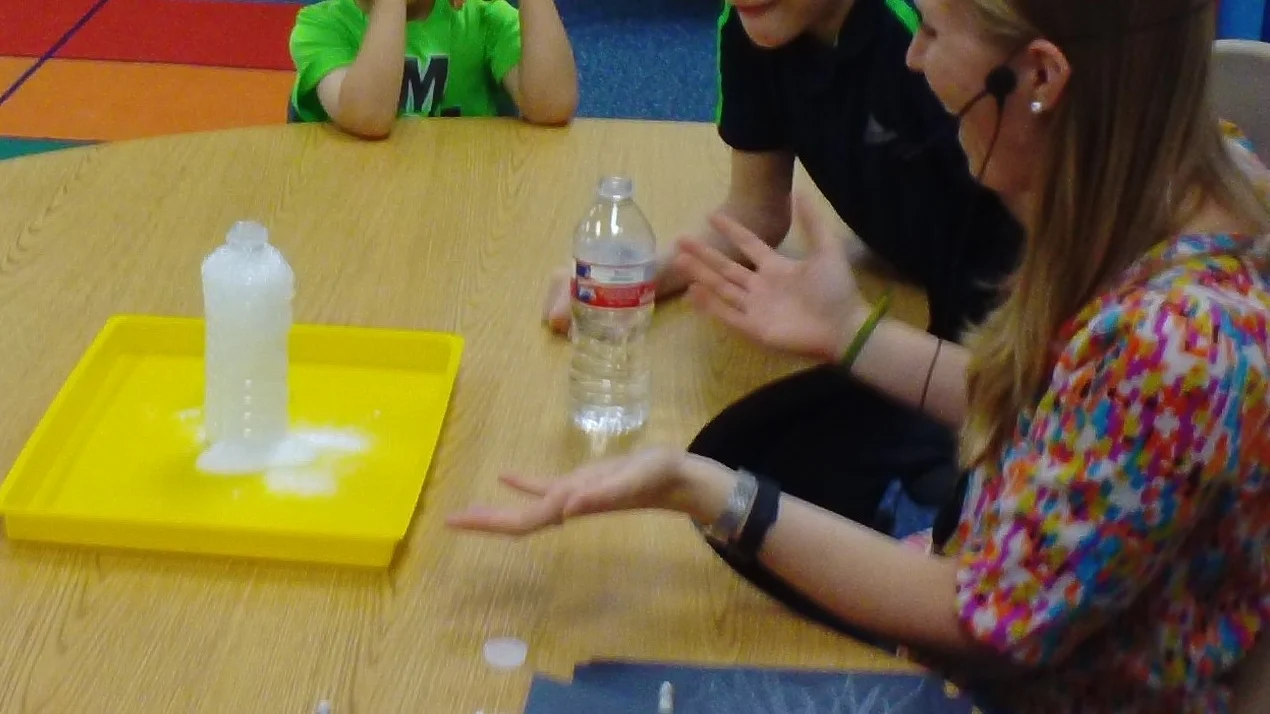
Honestly, I typically make use of Sabotage when I (actually) forget something and we have to problem solve the situation. Forgetting the cups for the drink at snack, forgetting enough napkins, forgetting the book at the Read Aloud time- all these natural situations provide an opportunity to encourage language from the children. Of course, more silly and contrived situations are appropriate too, but everyone has their different style. Take this as ‘out of the box’ as you’d like it to be!
Another tip for success- after setting up the sabotaged situation, always pause, and wait (with an expectant look) for the child to respond. If there is no response, prompt the child with an attention-getting phrase such as “Uh oh”, “What do I need to do?” , or “What happened?” and then pause again for a verbal response from the child.
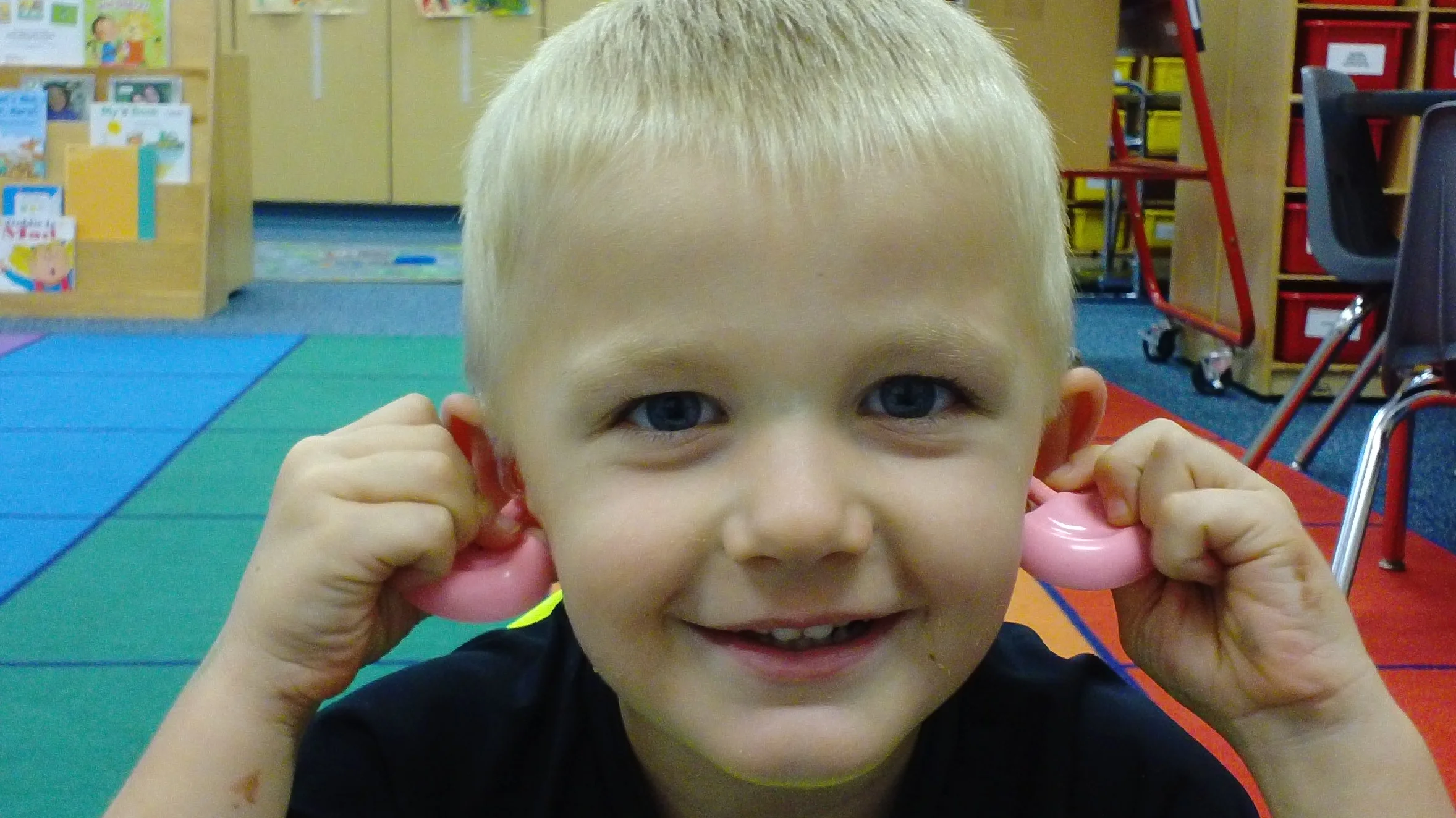
In a different context, sabotage can be used to teach self-advocacy skills in relation to the child’s hearing equipment. After a listening check (or after bath time, swimming, changing a battery, or other activity where the equipment has been in the adult’s care), hand the child their equipment but leave it powered off. See if they notice that something is wrong and ask for assistance. If they don’t say anything, prompt them with a question such as “Can you hear me?” “What did I say?” or “Is your hearing aid/CI working?”. This sabotage is a “safe” way for the child to learn to speak up when something doesn’t sound right.
This strategy helps build the following language skills:
attention to auditory/visual information
length of utterance
opportunities to practice using expressive language
Click here to download the handout or click here to download the entire resource!